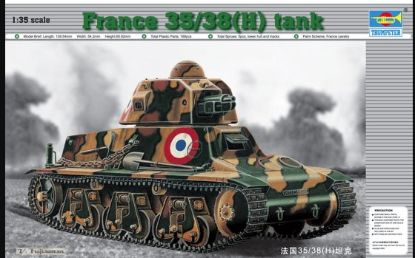
The Hotchkiss H35 was a French light tank developed in the early 1930s as part of the French Army's modernization efforts. It was designed to support infantry units and was initially rejected by the French Infantry due to its difficulty in steering across bumpy terrain. Instead, it was adopted by the French Cavalry.
The Hotchkiss H35 was a French light tank developed in the early 1930s as part of the French Army's modernization efforts. It was designed to support infantry units and was initially rejected by the French Infantry due to its difficulty in steering across bumpy terrain. Instead, it was adopted by the French Cavalry.
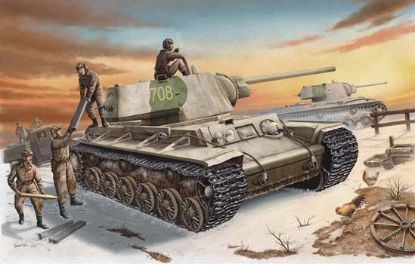
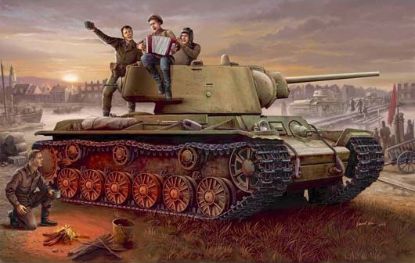
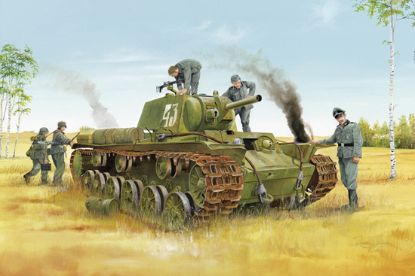
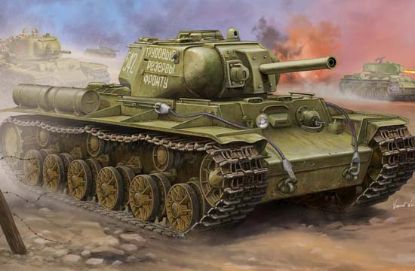
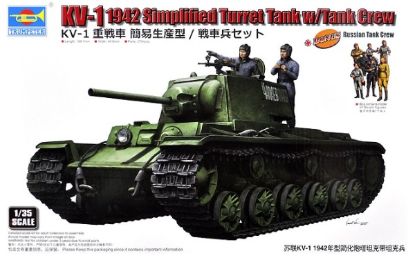
KV-8 built on a KV-1 Model 1942 hull with the angular rear hull overhang, and mounting a 45mm gun and ATO-41 flame projector in an up-armored welded turret. The KV-8 and KV-8S (based on the KV-1S tank) were used by Russians in all fronts of WWII.
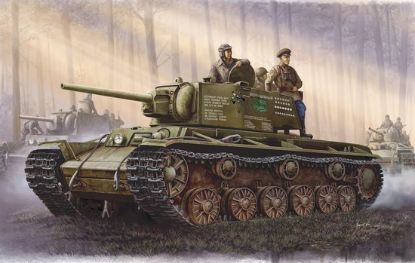
The KV-85 heavy tank was not an epochal machine in the history of Russian tank design and construction. Although it was not produced in the thousands, this tank still made a contribution to the victory over fascism.
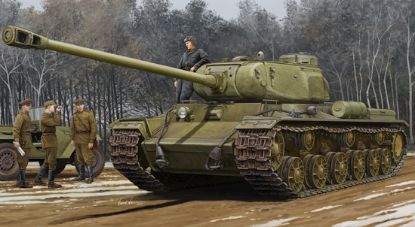
The development of the KV-122 was driven by the evolution of threats on the Eastern Front: after the Battle of Kursk, German tank divisions received King Tigers with frontal armor up to 180 mm thick, making the KV-85's 85 mm guns ineffective at ranges beyond 500 meters.
KV-8 built on a KV-1 Model 1942 hull with the angular rear hull overhang, and mounting a 45mm gun and ATO-41 flame projector in an up-armored welded turret. The KV-8 and KV-8S (based on the KV-1S tank) were used by Russians in all fronts of WWII.
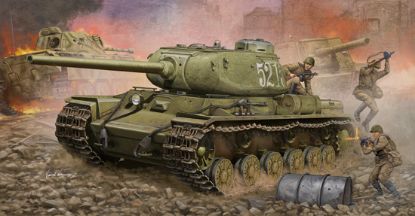
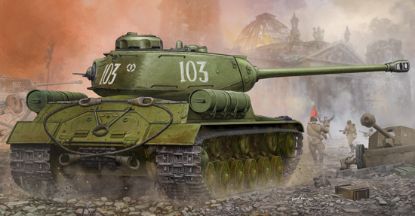
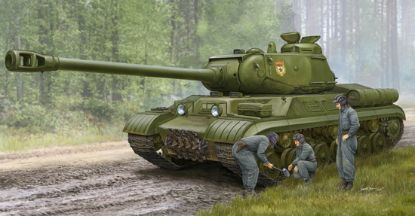
The JS-2's military history is marked by its effectiveness in combat against German Panther tanks, showcasing its capabilities and the legacy it left behind. Its design and performance set a precedent for Soviet tank development doctrine for decades to come.
In 1957 the Soviets upgraded the pre-existing IS-2 tanks (although received IS-2M index only in 1960) with new hull sides with integrated stowage boxes, T-10M tracks and roadwheels, machine gun in turret rear replaced by ventilation fan and many other minor technical improvements.
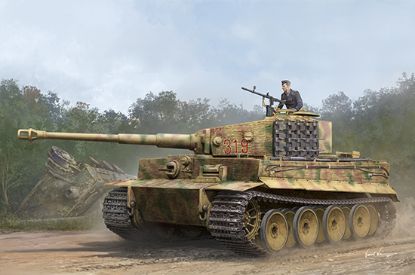
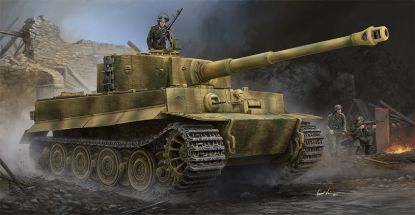
From the early days of combat against this tank in WW2 until the present day, the fame of the Tiger spans, in equal amounts, its real development history, combat performance, and fandom. It is a tank with many flaws and one whose mystique, even back in WW2, was out of all proportion to its utility and service as a combat vehicle. Yet, despite its flaws and problems, the tank remains a potent symbol of WW2 and, for many, it is the tank which served as their introduction to the world of armored fighting vehicles.
From the early days of combat against this tank in WW2 until the present day, the fame of the Tiger spans, in equal amounts, its real development history, combat performance, and fandom. It is a tank with many flaws and one whose mystique, even back in WW2, was out of all proportion to its utility and service as a combat vehicle. Yet, despite its flaws and problems, the tank remains a potent symbol of WW2 and, for many, it is the tank which served as their introduction to the world of armored fighting vehicles.
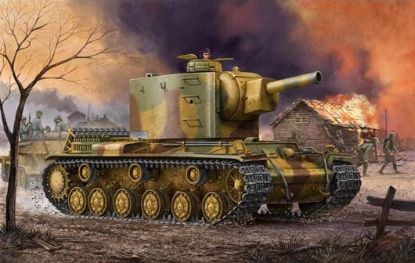
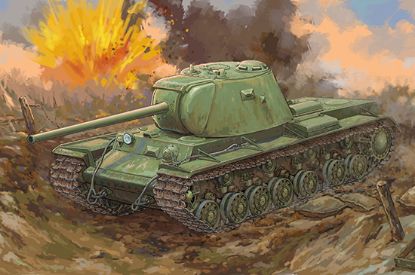
The KV-3 (Object 223) was an experimental Soviet heavy tank developed in 1941, based on the KV-220. It was designed to improve armor protection and firepower to counter new threats, including German tanks and anti-tank guns.
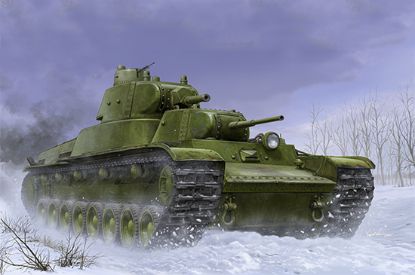
The T-100 tank was a Soviet heavy tank prototype designed in 1938-39 as a potential replacement for the T-35. It was developed by the OKMO design team at the S.M. Kirov Factory No. 185 in Leningrad.
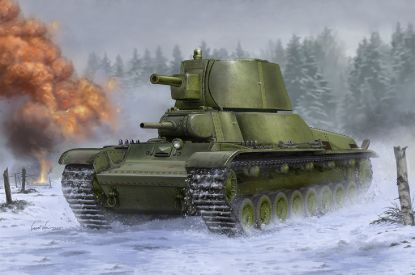
The T-100Z tank, also known as the SU-100Y, was a self-propelled gun was a twin-turreted Soviet heavy tank designed in 1938-39, intended to replace the aging T-35 tank. The SU-100Y was used in the defense of Moscow in 1941.