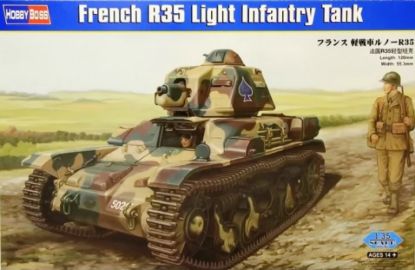
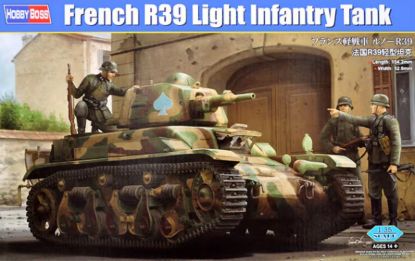
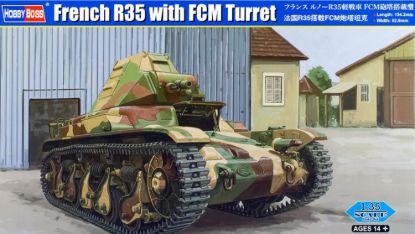
The Renault R39 was a significant part of the French military's efforts during World War II. It was an improved variant of the Renault R35 light tank, introduced just before the war.
The Renault R39 was a significant part of the French military's efforts during World War II. It was an improved variant of the Renault R35 light tank, introduced just before the war.
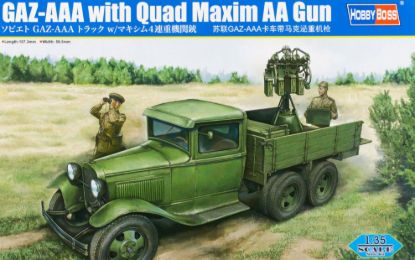
The GAZ-AAA was a significant vehicle in the Soviet military history, serving as a backbone for Red Army transportation during World War II. It was used in various roles, including as a mobile air-defense system, anti-aircraft unit, and even as infantry support.
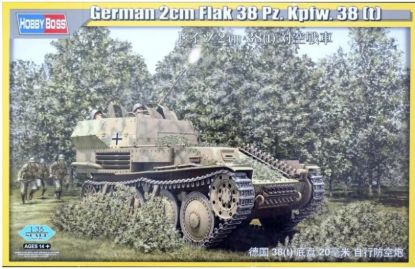
The Flakpanzer 38(t), officially named Flakpanzer 38(t) auf Selbstfahrlafette 38(t) Ausf M (Sd.Kfz. 140), was a German self-propelled anti-aircraft gun used in World War II. It is sometimes incorrectly referred to as the Gepard, which may lead to confusion with the unrelated Flakpanzer Gepard.
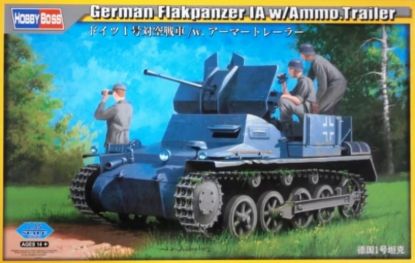
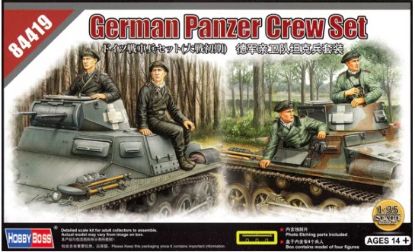
The Panzer I saw combat in the Spanish Civil War and WWII. The Panzer I's design history can be traced to the British Carden Loyd tankette, of which it borrowed much of its track and suspension design.
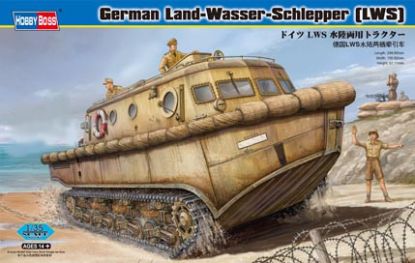
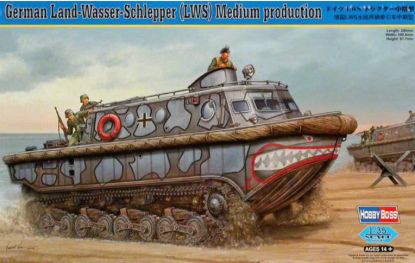
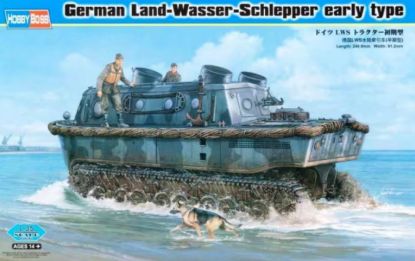
The Land-Wasser-Schlepper (LWS) was an unarmed amphibious tractor designed and manufactured in Germany during World War II. It was intended to assist German Army engineers with river crossings, bridging operations, and especially for potential amphibious landings, such as the planned invasion of Britain (Operation Sea Lion).
The Land-Wasser-Schlepper (LWS) was an unarmed amphibious tractor designed and manufactured in Germany during World War II. It was intended to assist German Army engineers with river crossings, bridging operations, and especially for potential amphibious landings, such as the planned invasion of Britain (Operation Sea Lion).
The Land-Wasser-Schlepper (LWS) was an unarmed amphibious tractor designed and manufactured in Germany during World War II. It was intended to assist German Army engineers with river crossings, bridging operations, and especially for potential amphibious landings, such as the planned invasion of Britain (Operation Sea Lion).
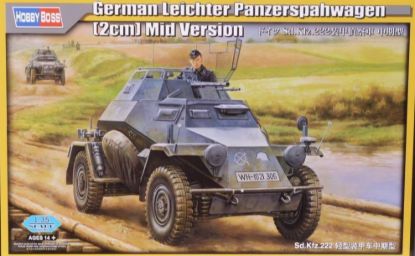
The Sd.Kfz. 222's development and deployment were marked by its success in early campaigns against unprepared opponents, but it faced significant vulnerabilities when confronting well-equipped Allied forces. The vehicle's armor-piercing vulnerability was discovered during tests, leading to its eventual replacement by the Sd.Kfz. 234 Puma. The Sd.Kfz. 222's history is a testament to the complexities of armored vehicle development and the impact of engineering compromises on battlefield performance.
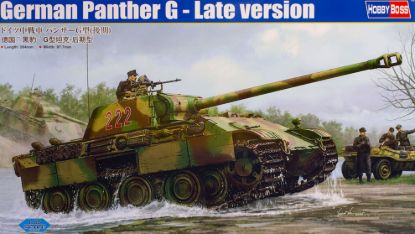
The Panther I Ausf G was the final version of the Panther to enter production during the Second World War, and was produced in larger numbers than the previous two versions combined.
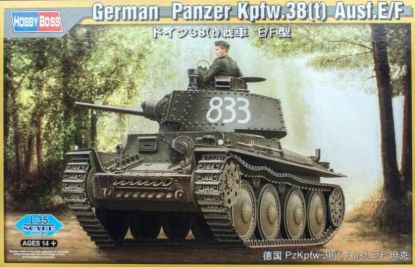
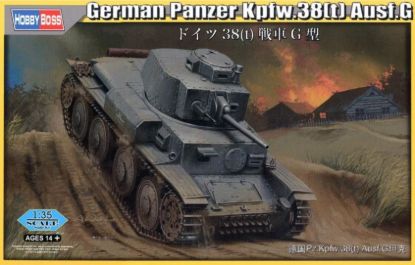
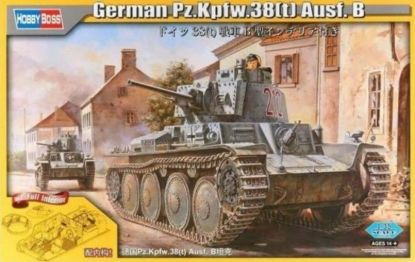
The Panzerkampfwagen 38(t), originally known as the Českomoravská Kolben-Daněk (ČKD) LT vz. 38, was a tank designed during the 1930s, which saw extensive service during World War II. Developed in Czechoslovakia by ČKD, the type was adopted by Nazi Germany following the German occupation of Czechoslovakia. With the German Army and other Axis forces, the type saw service in the invasions of Poland, France and the USSR.
The Panzerkampfwagen 38(t), originally known as the Českomoravská Kolben-Daněk (ČKD) LT vz. 38, was a tank designed during the 1930s, which saw extensive service during World War II. Developed in Czechoslovakia by ČKD, the type was adopted by Nazi Germany following the German occupation of Czechoslovakia. With the German Army and other Axis forces, the type saw service in the invasions of Poland, France and the USSR.
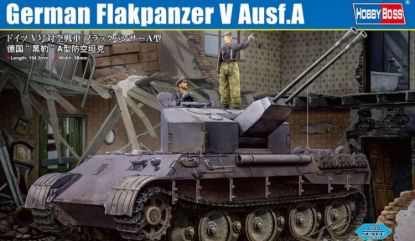
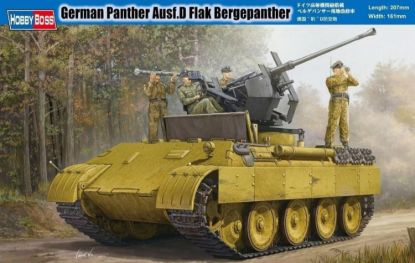
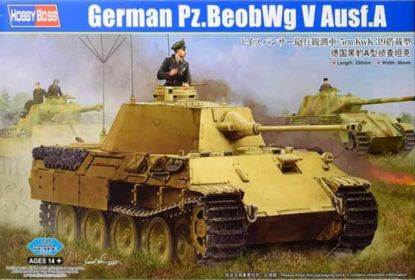
The Pz.BeobWg V Ausf.A, also known as the Panther IV artillery observation tank, was developed as a successor to the Panther IV. It was based on the A-type hull and equipped with a swivel turret and a dummy barrel. By the end of the war, about 40 vehicles had been completed, and some were said to have been deployed in combat.