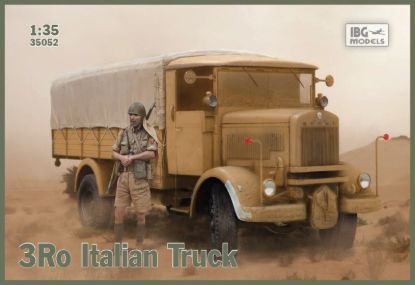
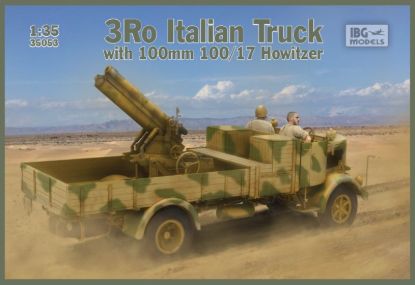
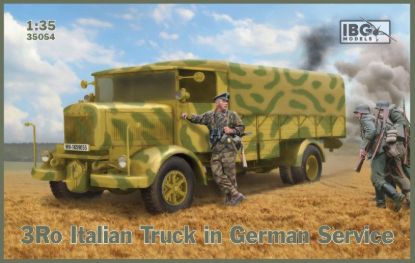
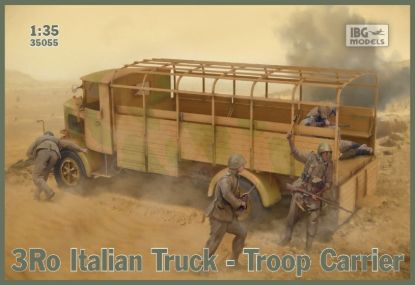
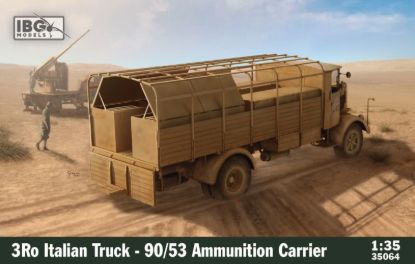
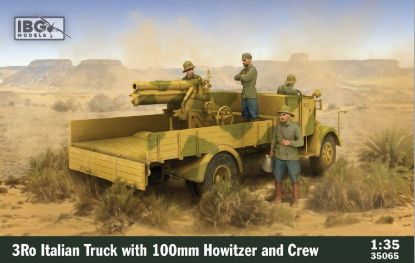
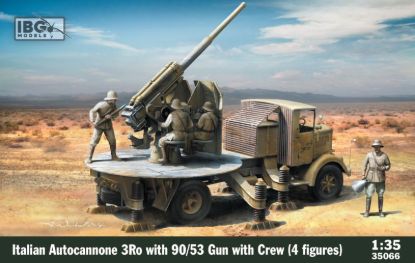
The Lancia Ro, Lancia Ro-Ro and Lancia 3Ro were 4x2 heavy trucks built by Italian manufacturer Lancia from the 1930s through the 1940s for military and civilian use. The 2-cylinder diesel Ro was produced from 1933 to 1939, the 3-cylinder diesel Ro-Ro from 1935 to 1939 and the improved 5-cylinder diesel 3Ro from 1938 to 1947. Ro and 3Ro saw extensive military service during the Second Italo-Ethiopian War and World War II, chiefly as two of the main heavy trucks of the Royal Italian Army.
The Lancia Ro, Lancia Ro-Ro and Lancia 3Ro were 4x2 heavy trucks built by Italian manufacturer Lancia from the 1930s through the 1940s for military and civilian use. The 2-cylinder diesel Ro was produced from 1933 to 1939, the 3-cylinder diesel Ro-Ro from 1935 to 1939 and the improved 5-cylinder diesel 3Ro from 1938 to 1947. Ro and 3Ro saw extensive military service during the Second Italo-Ethiopian War and World War II, chiefly as two of the main heavy trucks of the Royal Italian Army.
The Lancia Ro, Lancia Ro-Ro and Lancia 3Ro were 4x2 heavy trucks built by Italian manufacturer Lancia from the 1930s through the 1940s for military and civilian use. The 2-cylinder diesel Ro was produced from 1933 to 1939, the 3-cylinder diesel Ro-Ro from 1935 to 1939 and the improved 5-cylinder diesel 3Ro from 1938 to 1947. Ro and 3Ro saw extensive military service during the Second Italo-Ethiopian War and World War II, chiefly as two of the main heavy trucks of the Royal Italian Army.
The Lancia Ro, Lancia Ro-Ro and Lancia 3Ro were 4x2 heavy trucks built by Italian manufacturer Lancia from the 1930s through the 1940s for military and civilian use. The 2-cylinder diesel Ro was produced from 1933 to 1939, the 3-cylinder diesel Ro-Ro from 1935 to 1939 and the improved 5-cylinder diesel 3Ro from 1938 to 1947. Ro and 3Ro saw extensive military service during the Second Italo-Ethiopian War and World War II, chiefly as two of the main heavy trucks of the Royal Italian Army.
The Lancia Ro, Lancia Ro-Ro and Lancia 3Ro were 4x2 heavy trucks built by Italian manufacturer Lancia from the 1930s through the 1940s for military and civilian use. The 2-cylinder diesel Ro was produced from 1933 to 1939, the 3-cylinder diesel Ro-Ro from 1935 to 1939 and the improved 5-cylinder diesel 3Ro from 1938 to 1947. Ro and 3Ro saw extensive military service during the Second Italo-Ethiopian War and World War II, chiefly as two of the main heavy trucks of the Royal Italian Army.
The Lancia Ro, Lancia Ro-Ro and Lancia 3Ro were 4x2 heavy trucks built by Italian manufacturer Lancia from the 1930s through the 1940s for military and civilian use. The 2-cylinder diesel Ro was produced from 1933 to 1939, the 3-cylinder diesel Ro-Ro from 1935 to 1939 and the improved 5-cylinder diesel 3Ro from 1938 to 1947. Ro and 3Ro saw extensive military service during the Second Italo-Ethiopian War and World War II, chiefly as two of the main heavy trucks of the Royal Italian Army.
The Lancia Ro, Lancia Ro-Ro and Lancia 3Ro were 4x2 heavy trucks built by Italian manufacturer Lancia from the 1930s through the 1940s for military and civilian use. The 2-cylinder diesel Ro was produced from 1933 to 1939, the 3-cylinder diesel Ro-Ro from 1935 to 1939 and the improved 5-cylinder diesel 3Ro from 1938 to 1947. Ro and 3Ro saw extensive military service during the Second Italo-Ethiopian War and World War II, chiefly as two of the main heavy trucks of the Royal Italian Army.
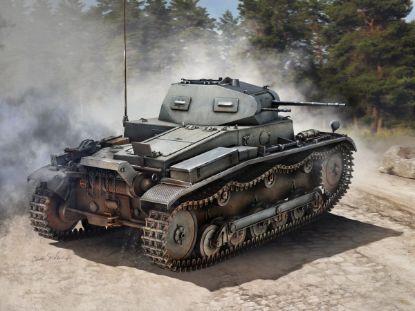
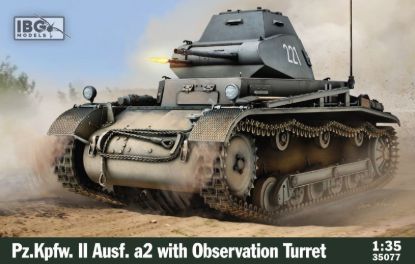
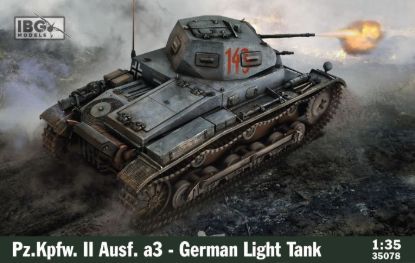
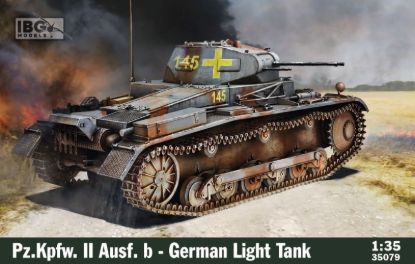
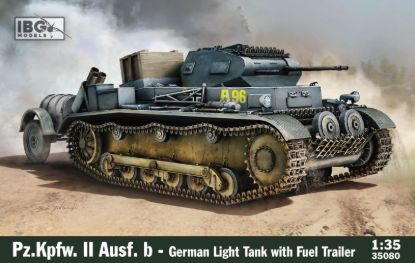
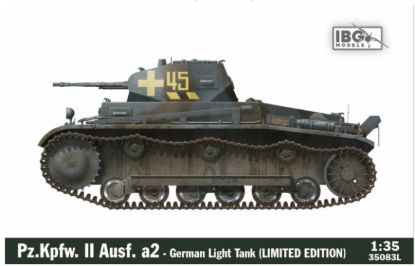
Although the vehicle had originally been designed as a stopgap while larger, more advanced tanks were developed, it nonetheless went on to play an important role in the early years of World War II, during the Polish and French campaigns. The Panzer II was the most numerous tank in the German Panzer divisions at the beginning of the war. It was used both in North Africa against the Western Allies and on the Eastern Front against the Soviet Union.
Although the vehicle had originally been designed as a stopgap while larger, more advanced tanks were developed, it nonetheless went on to play an important role in the early years of World War II, during the Polish and French campaigns. The Panzer II was the most numerous tank in the German Panzer divisions at the beginning of the war. It was used both in North Africa against the Western Allies and on the Eastern Front against the Soviet Union.
Although the vehicle had originally been designed as a stopgap while larger, more advanced tanks were developed, it nonetheless went on to play an important role in the early years of World War II, during the Polish and French campaigns. The Panzer II was the most numerous tank in the German Panzer divisions at the beginning of the war. It was used both in North Africa against the Western Allies and on the Eastern Front against the Soviet Union.
Although the vehicle had originally been designed as a stopgap while larger, more advanced tanks were developed, it nonetheless went on to play an important role in the early years of World War II, during the Polish and French campaigns. The Panzer II was the most numerous tank in the German Panzer divisions at the beginning of the war. It was used both in North Africa against the Western Allies and on the Eastern Front against the Soviet Union.
Although the vehicle had originally been designed as a stopgap while larger, more advanced tanks were developed, it nonetheless went on to play an important role in the early years of World War II, during the Polish and French campaigns. The Panzer II was the most numerous tank in the German Panzer divisions at the beginning of the war. It was used both in North Africa against the Western Allies and on the Eastern Front against the Soviet Union.
Although the vehicle had originally been designed as a stopgap while larger, more advanced tanks were developed, it nonetheless went on to play an important role in the early years of World War II, during the Polish and French campaigns. The Panzer II was the most numerous tank in the German Panzer divisions at the beginning of the war. It was used both in North Africa against the Western Allies and on the Eastern Front against the Soviet Union.
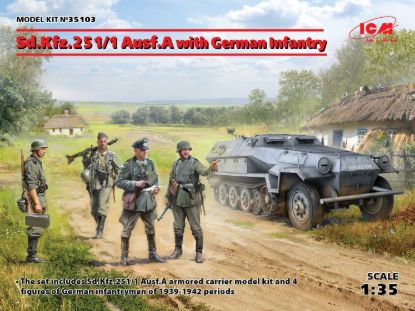
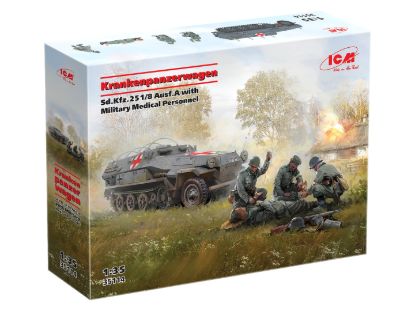
The Sd.Kfz. 251/1, also known as the mittlere Schützenpanzerwagen (IR) Falke, was the standard German personnel carrier and a significant vehicle in the military history of World War II. It was designed to transport a squad of Panzergrenadiers to the battlefield, providing protection from small arms fire and artillery shrapnel. The vehicle was armed with two MG34 or MG42 machine guns for defense and direct support. The Sd.Kfz. 251/1 was used extensively by Nazi Germany during the war, particularly on the Eastern front, and later in the Western front.
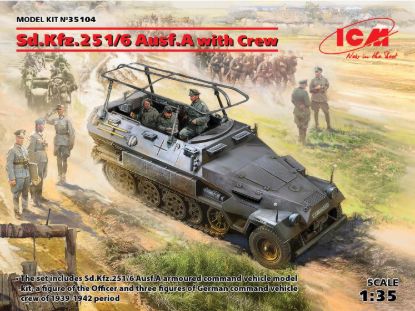
Sd.Kfz.251/6 – mittlere Funkpanzerwagen (Kommandopanzerwagen) - This early command and radio vehicle housed map boards, cipher and encoding machines in a rearranged compartment, based on Ausf.A/B versions.
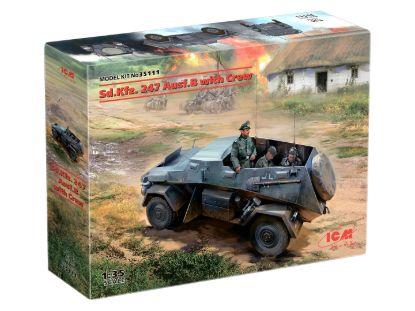
The Sd.Kfz. 247 Ausf.B was an armored command car used by the German armed forces during World War II. It was a four-wheeled model that entered production during the war, providing a mobile platform for senior German officers to travel safely across rough terrain. The Ausf.B was largely deployed on the Russian front and possibly in Normandy in 1944.
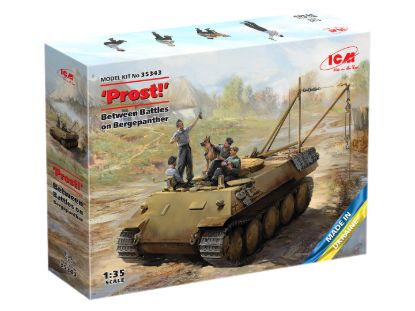
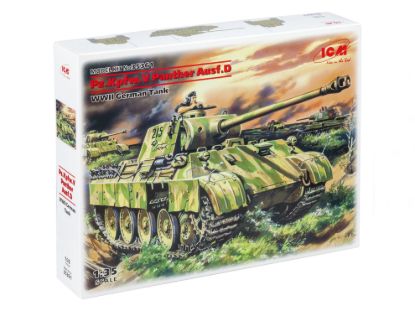
The Panther tank, officially Panzerkampfwagen V Panther (abbreviated Pz.Kpfw. V) with ordnance inventory designation: Sd.Kfz. 171, is a German medium tank of World War II. It was used in most European theatres of World War II from mid-1943 to the end of the war in May 1945.