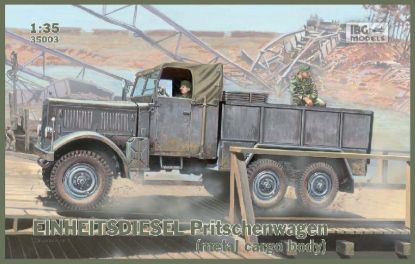
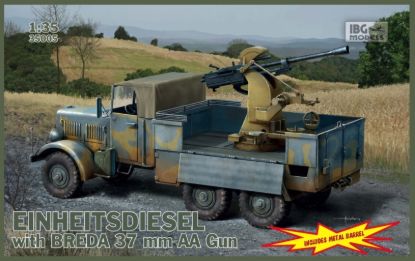
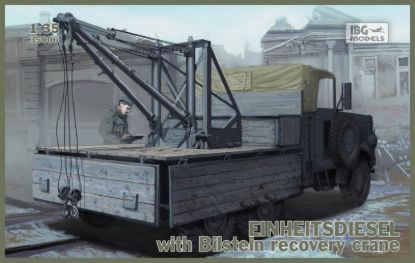
The Einheitsdiesel trucks were a significant part of the military history of the Wehrmacht during World War II. They were developed to standardize the military's vehicle fleet, which had previously consisted of a disparate collection of often-modified civilian models.
The Einheitsdiesel trucks were a significant part of the military history of the Wehrmacht during World War II. They were developed to standardize the military's vehicle fleet, which had previously consisted of a disparate collection of often-modified civilian models.
The Einheitsdiesel trucks were a significant part of the military history of the Wehrmacht during World War II. They were developed to standardize the military's vehicle fleet, which had previously consisted of a disparate collection of often-modified civilian models.
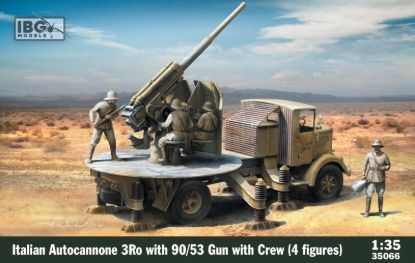
The Lancia Ro, Lancia Ro-Ro and Lancia 3Ro were 4x2 heavy trucks built by Italian manufacturer Lancia from the 1930s through the 1940s for military and civilian use. The 2-cylinder diesel Ro was produced from 1933 to 1939, the 3-cylinder diesel Ro-Ro from 1935 to 1939 and the improved 5-cylinder diesel 3Ro from 1938 to 1947. Ro and 3Ro saw extensive military service during the Second Italo-Ethiopian War and World War II, chiefly as two of the main heavy trucks of the Royal Italian Army.
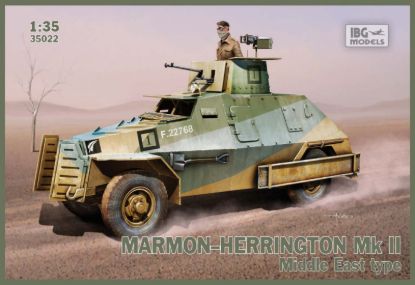
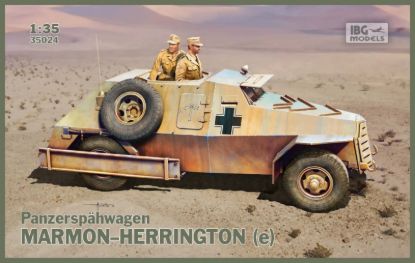
The Marmon–Herrington armoured car was a series of armoured vehicles that were produced in South Africa and adopted by the British Army during World War II.
German capture version of the Marmon–Herrington armoured car; a series of armoured vehicles that were produced in South Africa and adopted by the British Army during World War II.
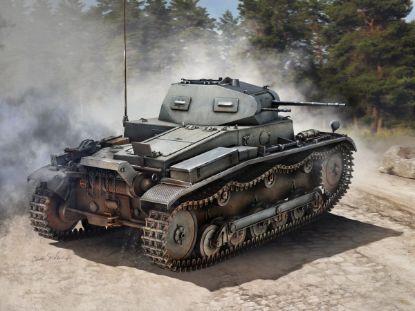
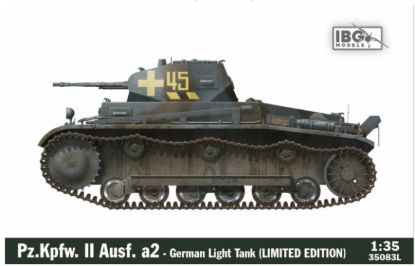
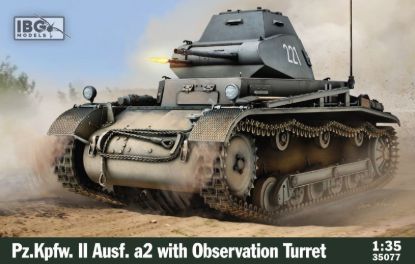
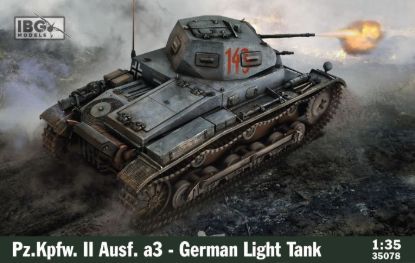
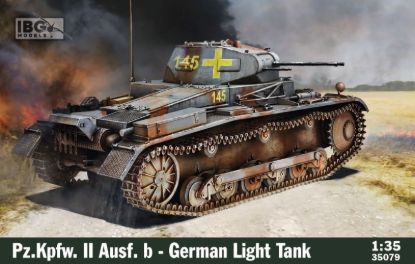
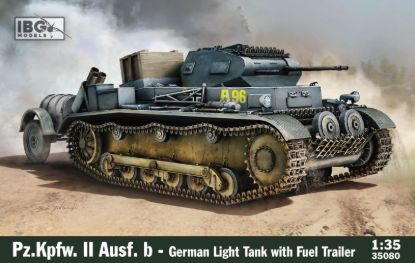
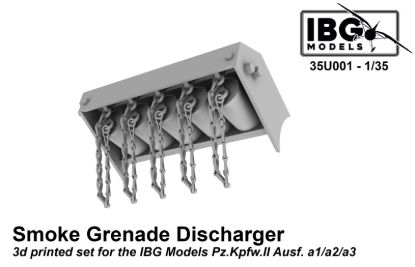
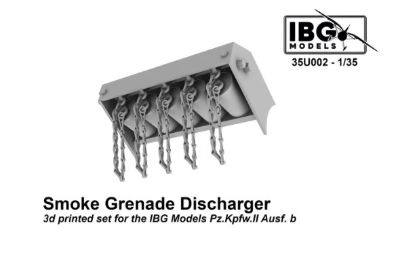
Although the vehicle had originally been designed as a stopgap while larger, more advanced tanks were developed, it nonetheless went on to play an important role in the early years of World War II, during the Polish and French campaigns. The Panzer II was the most numerous tank in the German Panzer divisions at the beginning of the war. It was used both in North Africa against the Western Allies and on the Eastern Front against the Soviet Union.
Although the vehicle had originally been designed as a stopgap while larger, more advanced tanks were developed, it nonetheless went on to play an important role in the early years of World War II, during the Polish and French campaigns. The Panzer II was the most numerous tank in the German Panzer divisions at the beginning of the war. It was used both in North Africa against the Western Allies and on the Eastern Front against the Soviet Union.
Although the vehicle had originally been designed as a stopgap while larger, more advanced tanks were developed, it nonetheless went on to play an important role in the early years of World War II, during the Polish and French campaigns. The Panzer II was the most numerous tank in the German Panzer divisions at the beginning of the war. It was used both in North Africa against the Western Allies and on the Eastern Front against the Soviet Union.
Although the vehicle had originally been designed as a stopgap while larger, more advanced tanks were developed, it nonetheless went on to play an important role in the early years of World War II, during the Polish and French campaigns. The Panzer II was the most numerous tank in the German Panzer divisions at the beginning of the war. It was used both in North Africa against the Western Allies and on the Eastern Front against the Soviet Union.
Although the vehicle had originally been designed as a stopgap while larger, more advanced tanks were developed, it nonetheless went on to play an important role in the early years of World War II, during the Polish and French campaigns. The Panzer II was the most numerous tank in the German Panzer divisions at the beginning of the war. It was used both in North Africa against the Western Allies and on the Eastern Front against the Soviet Union.
Although the vehicle had originally been designed as a stopgap while larger, more advanced tanks were developed, it nonetheless went on to play an important role in the early years of World War II, during the Polish and French campaigns. The Panzer II was the most numerous tank in the German Panzer divisions at the beginning of the war. It was used both in North Africa against the Western Allies and on the Eastern Front against the Soviet Union.