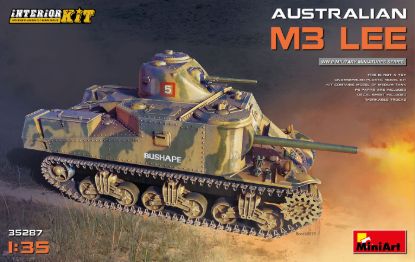
The M3 Lee, officially Medium Tank, M3, was an American medium tank used during World War II. The turret was produced in two different forms, one for US needs and one modified to British requirements to place the radio next to the commander. In British Commonwealth service, the tank was called by two names: tanks employing US-pattern turrets were called "Lee", named after Confederate general Robert E. Lee, while those with British-pattern turrets were known as "Grant", named after Union general Ulysses S. Grant.
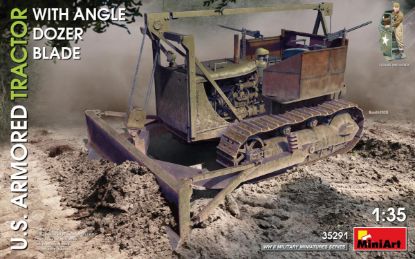
The Caterpillar D7 tractors have a rich history, having been instrumental in the military efforts during World War II, Korea, and Vietnam. They were known for their ruggedness and reliability, making them a vital part of the U.S. Army's equipment. The D7 tractors were used in various capacities, including building roads, clearing debris, and pushing through tough terrain.
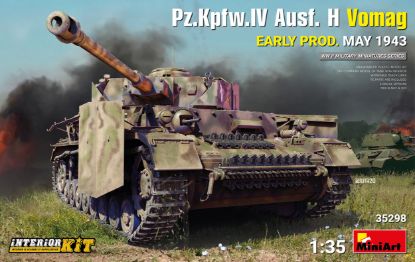
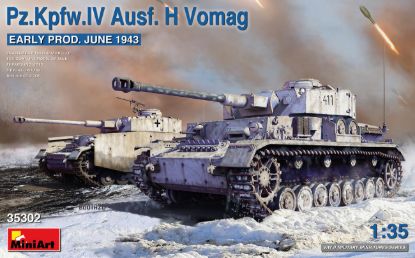
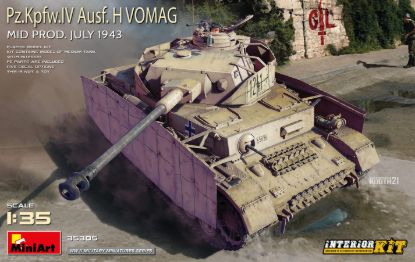
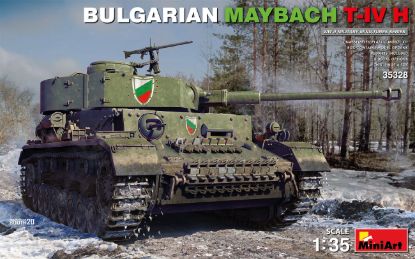
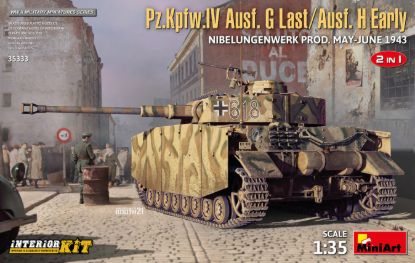
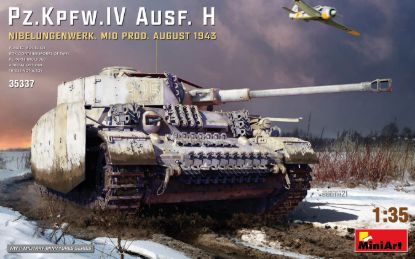
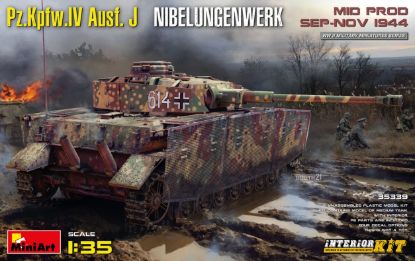
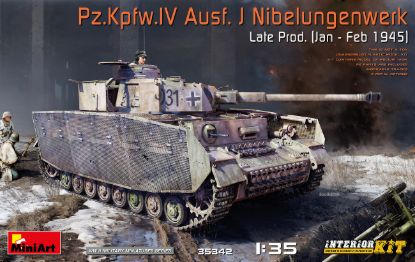
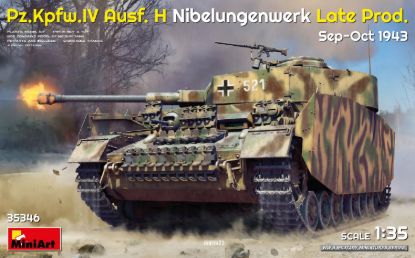
The Sd.Kfz. 161, also known as the Panzer IV, was a medium tank developed in Nazi Germany in the late 1930s and used extensively during World War II as well as later wars. It was the most numerous German tank and the second-most numerous German fully tracked armored fighting vehicle of the war, with 8,553 units produced. The Panzer IV was initially designed for infantry support but evolved to become the primary tank for German forces due to its ability to engage enemy armor effectively. It was the only German tank to remain in continuous production throughout the war, with over 8,800 units produced between 1936 and 1945.
The Sd.Kfz. 161, also known as the Panzer IV, was a medium tank developed in Nazi Germany in the late 1930s and used extensively during World War II as well as later wars. It was the most numerous German tank and the second-most numerous German fully tracked armored fighting vehicle of the war, with 8,553 units produced. The Panzer IV was initially designed for infantry support but evolved to become the primary tank for German forces due to its ability to engage enemy armor effectively. It was the only German tank to remain in continuous production throughout the war, with over 8,800 units produced between 1936 and 1945.
The Sd.Kfz. 161, also known as the Panzer IV, was a medium tank developed in Nazi Germany in the late 1930s and used extensively during World War II as well as later wars. It was the most numerous German tank and the second-most numerous German fully tracked armored fighting vehicle of the war, with 8,553 units produced. The Panzer IV was initially designed for infantry support but evolved to become the primary tank for German forces due to its ability to engage enemy armor effectively. It was the only German tank to remain in continuous production throughout the war, with over 8,800 units produced between 1936 and 1945.
The Panzer IV was originally intended to be used only on a limited scale, so initially Krupp was its sole manufacturer. Prior to the Polish campaign, only 217 Panzer IVs had been produced: 35 Ausf. A; 42 Ausf. B; and 140 Ausf. C; in 1941, production was extended to Vogtländische Maschinenfabrik ("VOMAG") (located in the city of Plauen) and the Nibelungenwerk in the Austrian city of St. Valentin.
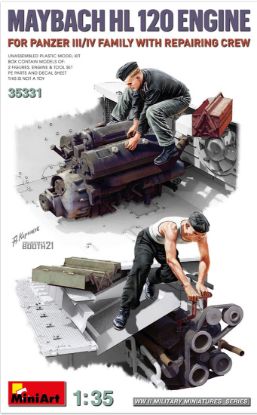
In order to rationalise Germany's military vehicle production, sweeping changes were made to its entire automotive industry. The re-organisation was overseen by Oberbaurat Heinrich Ernst Kniepkamp, head of Wa.Prüf. 6 of the Heereswaffenamt (HWA). By late October 1935, Maybach had been designated the sole designer and manufacturer of tank and half-track engines for the entire Wehrmacht.
The Panzer IV was originally intended to be used only on a limited scale, so initially Krupp was its sole manufacturer. Prior to the Polish campaign, only 217 Panzer IVs had been produced: 35 Ausf. A; 42 Ausf. B; and 140 Ausf. C; in 1941, production was extended to Vogtländische Maschinenfabrik ("VOMAG") (located in the city of Plauen) and the Nibelungenwerk in the Austrian city of St. Valentin.
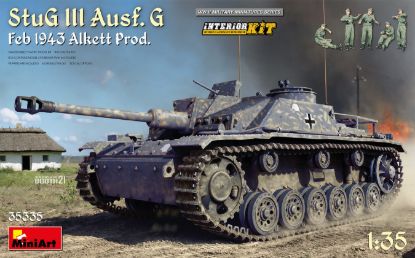
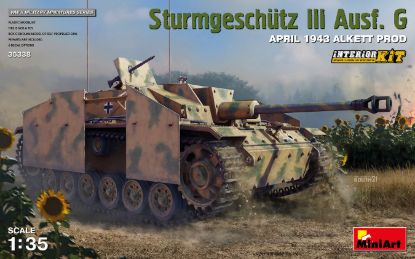
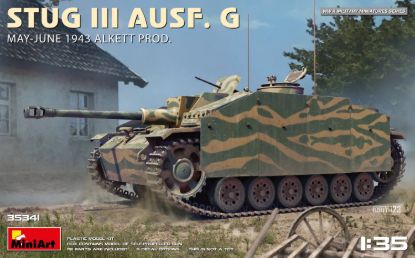
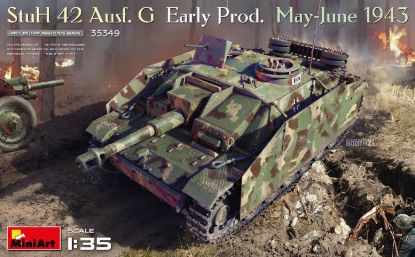
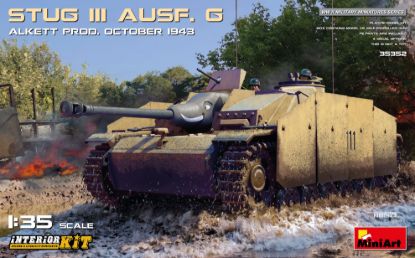
The Sturmgeschütz III (StuG III) was an assault gun produced by Germany during World War II. It was the most-produced German fully tracked armoured fighting vehicle, and second-most produced German armored combat vehicle of any type after the Sd.Kfz. 251 half-track. It was built on a slightly modified Panzer III chassis, replacing the turret with an armored, fixed superstructure mounting a more powerful gun. Initially intended as a mobile assault gun for direct-fire support for infantry, the StuG III was continually modified, and much like the later Jagdpanzer vehicles, was employed as a tank destroyer.
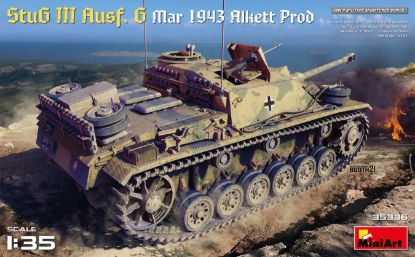
The Sturmgeschütz III (StuG III) was an assault gun produced by Germany during World War II. It was the most-produced German fully tracked armoured fighting vehicle, and second-most produced German armored combat vehicle of any type after the Sd.Kfz. 251 half-track. It was built on a slightly modified Panzer III chassis, replacing the turret with an armored, fixed superstructure mounting a more powerful gun. Initially intended as a mobile assault gun for direct-fire support for infantry, the StuG III was continually modified, and much like the later Jagdpanzer vehicles, was employed as a tank destroyer.
The Panzer IV was originally intended to be used only on a limited scale, so initially Krupp was its sole manufacturer. Prior to the Polish campaign, only 217 Panzer IVs had been produced: 35 Ausf. A; 42 Ausf. B; and 140 Ausf. C; in 1941, production was extended to Vogtländische Maschinenfabrik ("VOMAG") (located in the city of Plauen) and the Nibelungenwerk in the Austrian city of St. Valentin.
The Sturmgeschütz III (StuG III) was an assault gun produced by Germany during World War II. It was the most-produced German fully tracked armoured fighting vehicle, and second-most produced German armored combat vehicle of any type after the Sd.Kfz. 251 half-track. It was built on a slightly modified Panzer III chassis, replacing the turret with an armored, fixed superstructure mounting a more powerful gun. Initially intended as a mobile assault gun for direct-fire support for infantry, the StuG III was continually modified, and much like the later Jagdpanzer vehicles, was employed as a tank destroyer.
The Panzer IV was originally intended to be used only on a limited scale, so initially Krupp was its sole manufacturer. Prior to the Polish campaign, only 217 Panzer IVs had been produced: 35 Ausf. A; 42 Ausf. B; and 140 Ausf. C; in 1941, production was extended to Vogtländische Maschinenfabrik ("VOMAG") (located in the city of Plauen) and the Nibelungenwerk in the Austrian city of St. Valentin.
The Sturmgeschütz III (StuG III) was an assault gun produced by Germany during World War II. It was the most-produced German fully tracked armoured fighting vehicle, and second-most produced German armored combat vehicle of any type after the Sd.Kfz. 251 half-track. It was built on a slightly modified Panzer III chassis, replacing the turret with an armored, fixed superstructure mounting a more powerful gun. Initially intended as a mobile assault gun for direct-fire support for infantry, the StuG III was continually modified, and much like the later Jagdpanzer vehicles, was employed as a tank destroyer.
The Panzer IV was originally intended to be used only on a limited scale, so initially Krupp was its sole manufacturer. Prior to the Polish campaign, only 217 Panzer IVs had been produced: 35 Ausf. A; 42 Ausf. B; and 140 Ausf. C; in 1941, production was extended to Vogtländische Maschinenfabrik ("VOMAG") (located in the city of Plauen) and the Nibelungenwerk in the Austrian city of St. Valentin.
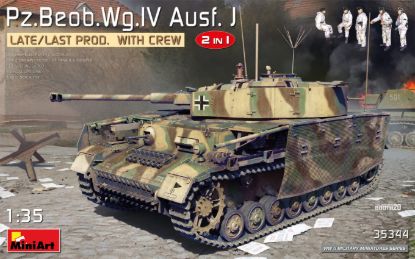
The Panzerbeobachtungswagen IV (Pz. Beob. Wg. IV) was an artillery observation vehicle built on the Panzer IV chassis. This, too, received new radio equipment and an electrical generator, installed in the left rear corner of the fighting compartment. Panzerbeobachtungswagen worked in cooperation with Wespe and Hummel self-propelled artillery batteries.
The Panzer IV was originally intended to be used only on a limited scale, so initially Krupp was its sole manufacturer. Prior to the Polish campaign, only 217 Panzer IVs had been produced: 35 Ausf. A; 42 Ausf. B; and 140 Ausf. C; in 1941, production was extended to Vogtländische Maschinenfabrik ("VOMAG") (located in the city of Plauen) and the Nibelungenwerk in the Austrian city of St. Valentin.
The Sturmgeschütz III (StuG III) was an assault gun produced by Germany during World War II. It was the most-produced German fully tracked armoured fighting vehicle, and second-most produced German armored combat vehicle of any type after the Sd.Kfz. 251 half-track. It was built on a slightly modified Panzer III chassis, replacing the turret with an armored, fixed superstructure mounting a more powerful gun. Initially intended as a mobile assault gun for direct-fire support for infantry, the StuG III was continually modified, and much like the later Jagdpanzer vehicles, was employed as a tank destroyer.
The Sturmgeschütz III (StuG III) was an assault gun produced by Germany during World War II. It was the most-produced German fully tracked armoured fighting vehicle, and second-most produced German armored combat vehicle of any type after the Sd.Kfz. 251 half-track. It was built on a slightly modified Panzer III chassis, replacing the turret with an armored, fixed superstructure mounting a more powerful gun. Initially intended as a mobile assault gun for direct-fire support for infantry, the StuG III was continually modified, and much like the later Jagdpanzer vehicles, was employed as a tank destroyer.