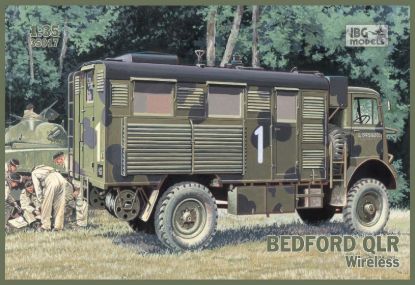
QLR Signals vehicle - Originally mounted on the QLC chassis/cab, special QLR chassis were soon put into production, which differed from the standard type in having special electrical equipment, radio suppression, fitment of a 660 W auxiliary generator driven by the transfer case power-take-off and, like the QLT, two 16 gallon petrol tanks instead of one behind the cab. The interior furniture, partitioning and radio equipment varied with the different functions. On vehicles installed for the wireless role, a tent could be erected at the rear. Between the cab and main body were lockers for aerial masts and other equipment. Beneath the body were further lockers and racks for cable drums, batteries, tyre chains, 20 gallon drinking water tank, rectifier box, tools, fuel tank for the auxiliary engine, jerrycans and other items. The basic body shells were produced by Duple, Lagonda, Mulliner, Tickford and others. A revised body was introduced during 1944 for the Command High and Low Power and Wireless High Power roles. This body had an improved L-shaped tent which could be erected alongside the left-hand side and rear of the body.
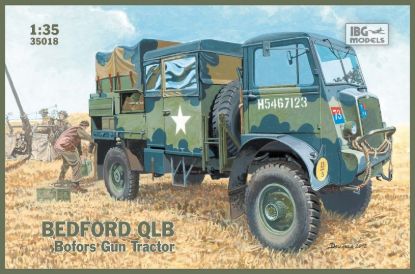
QLB Bofors gun tractor. Approximately 5,500 QLBs were built. Several QLBs were fitted with shortened GS bodies and recovery cranes to be used as wreckers by the Danish Army (Used until late 1960s).
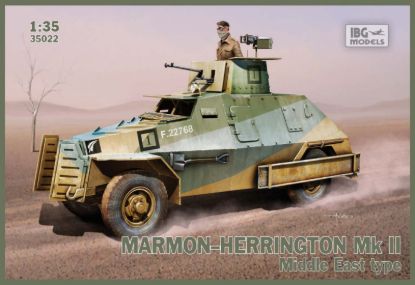
The Marmon–Herrington armoured car was a series of armoured vehicles that were produced in South Africa and adopted by the British Army during World War II.
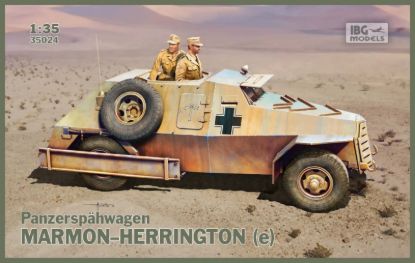
German capture version of the Marmon–Herrington armoured car; a series of armoured vehicles that were produced in South Africa and adopted by the British Army during World War II.
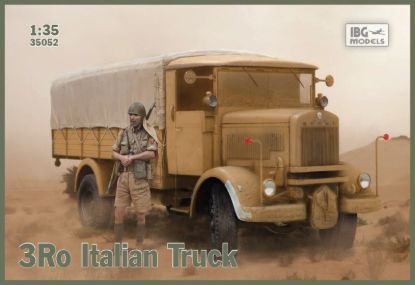
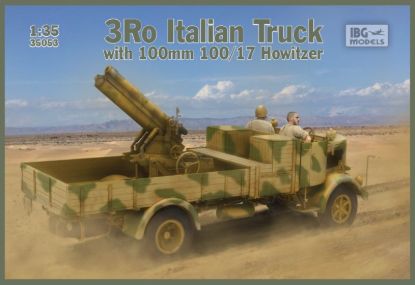
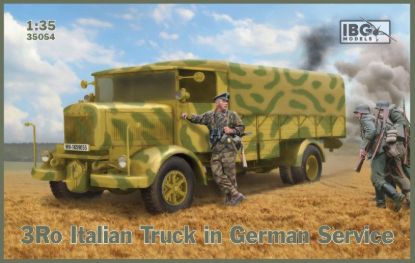
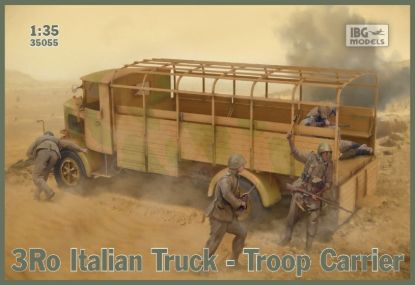
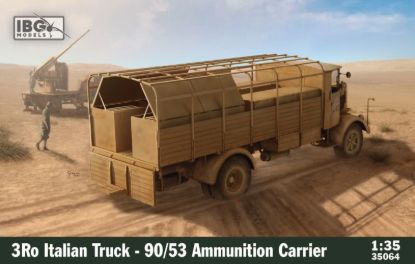
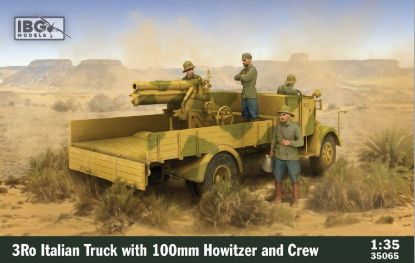
The Lancia Ro, Lancia Ro-Ro and Lancia 3Ro were 4x2 heavy trucks built by Italian manufacturer Lancia from the 1930s through the 1940s for military and civilian use. The 2-cylinder diesel Ro was produced from 1933 to 1939, the 3-cylinder diesel Ro-Ro from 1935 to 1939 and the improved 5-cylinder diesel 3Ro from 1938 to 1947. Ro and 3Ro saw extensive military service during the Second Italo-Ethiopian War and World War II, chiefly as two of the main heavy trucks of the Royal Italian Army.
The Lancia Ro, Lancia Ro-Ro and Lancia 3Ro were 4x2 heavy trucks built by Italian manufacturer Lancia from the 1930s through the 1940s for military and civilian use. The 2-cylinder diesel Ro was produced from 1933 to 1939, the 3-cylinder diesel Ro-Ro from 1935 to 1939 and the improved 5-cylinder diesel 3Ro from 1938 to 1947. Ro and 3Ro saw extensive military service during the Second Italo-Ethiopian War and World War II, chiefly as two of the main heavy trucks of the Royal Italian Army.
The Lancia Ro, Lancia Ro-Ro and Lancia 3Ro were 4x2 heavy trucks built by Italian manufacturer Lancia from the 1930s through the 1940s for military and civilian use. The 2-cylinder diesel Ro was produced from 1933 to 1939, the 3-cylinder diesel Ro-Ro from 1935 to 1939 and the improved 5-cylinder diesel 3Ro from 1938 to 1947. Ro and 3Ro saw extensive military service during the Second Italo-Ethiopian War and World War II, chiefly as two of the main heavy trucks of the Royal Italian Army.
The Lancia Ro, Lancia Ro-Ro and Lancia 3Ro were 4x2 heavy trucks built by Italian manufacturer Lancia from the 1930s through the 1940s for military and civilian use. The 2-cylinder diesel Ro was produced from 1933 to 1939, the 3-cylinder diesel Ro-Ro from 1935 to 1939 and the improved 5-cylinder diesel 3Ro from 1938 to 1947. Ro and 3Ro saw extensive military service during the Second Italo-Ethiopian War and World War II, chiefly as two of the main heavy trucks of the Royal Italian Army.
The Lancia Ro, Lancia Ro-Ro and Lancia 3Ro were 4x2 heavy trucks built by Italian manufacturer Lancia from the 1930s through the 1940s for military and civilian use. The 2-cylinder diesel Ro was produced from 1933 to 1939, the 3-cylinder diesel Ro-Ro from 1935 to 1939 and the improved 5-cylinder diesel 3Ro from 1938 to 1947. Ro and 3Ro saw extensive military service during the Second Italo-Ethiopian War and World War II, chiefly as two of the main heavy trucks of the Royal Italian Army.
The Lancia Ro, Lancia Ro-Ro and Lancia 3Ro were 4x2 heavy trucks built by Italian manufacturer Lancia from the 1930s through the 1940s for military and civilian use. The 2-cylinder diesel Ro was produced from 1933 to 1939, the 3-cylinder diesel Ro-Ro from 1935 to 1939 and the improved 5-cylinder diesel 3Ro from 1938 to 1947. Ro and 3Ro saw extensive military service during the Second Italo-Ethiopian War and World War II, chiefly as two of the main heavy trucks of the Royal Italian Army.
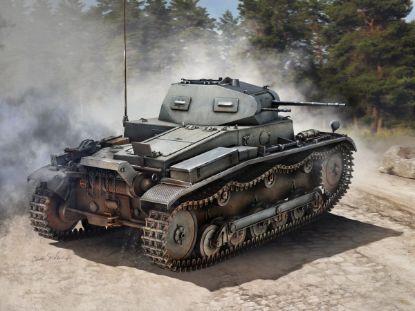
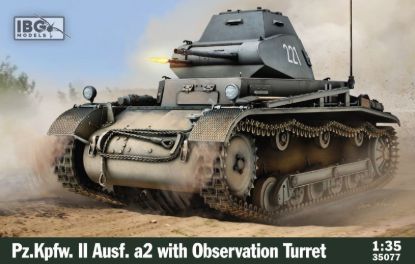
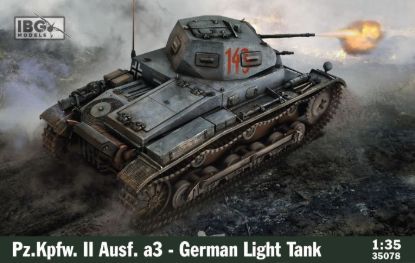
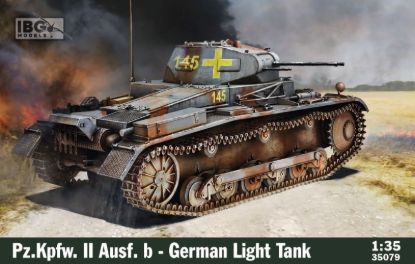
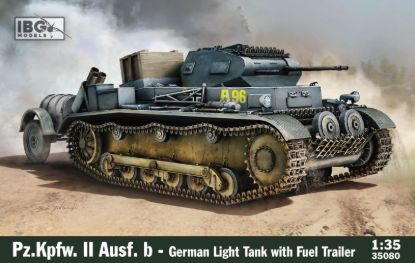
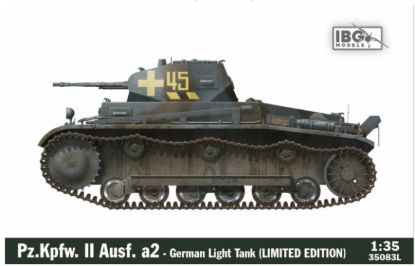
Although the vehicle had originally been designed as a stopgap while larger, more advanced tanks were developed, it nonetheless went on to play an important role in the early years of World War II, during the Polish and French campaigns. The Panzer II was the most numerous tank in the German Panzer divisions at the beginning of the war. It was used both in North Africa against the Western Allies and on the Eastern Front against the Soviet Union.
Although the vehicle had originally been designed as a stopgap while larger, more advanced tanks were developed, it nonetheless went on to play an important role in the early years of World War II, during the Polish and French campaigns. The Panzer II was the most numerous tank in the German Panzer divisions at the beginning of the war. It was used both in North Africa against the Western Allies and on the Eastern Front against the Soviet Union.
Although the vehicle had originally been designed as a stopgap while larger, more advanced tanks were developed, it nonetheless went on to play an important role in the early years of World War II, during the Polish and French campaigns. The Panzer II was the most numerous tank in the German Panzer divisions at the beginning of the war. It was used both in North Africa against the Western Allies and on the Eastern Front against the Soviet Union.
Although the vehicle had originally been designed as a stopgap while larger, more advanced tanks were developed, it nonetheless went on to play an important role in the early years of World War II, during the Polish and French campaigns. The Panzer II was the most numerous tank in the German Panzer divisions at the beginning of the war. It was used both in North Africa against the Western Allies and on the Eastern Front against the Soviet Union.
Although the vehicle had originally been designed as a stopgap while larger, more advanced tanks were developed, it nonetheless went on to play an important role in the early years of World War II, during the Polish and French campaigns. The Panzer II was the most numerous tank in the German Panzer divisions at the beginning of the war. It was used both in North Africa against the Western Allies and on the Eastern Front against the Soviet Union.
Although the vehicle had originally been designed as a stopgap while larger, more advanced tanks were developed, it nonetheless went on to play an important role in the early years of World War II, during the Polish and French campaigns. The Panzer II was the most numerous tank in the German Panzer divisions at the beginning of the war. It was used both in North Africa against the Western Allies and on the Eastern Front against the Soviet Union.